Can You Get Dental Implants if You’ve Had Previous Gum Disease?

A healthy smile is more than just beautiful; it’s also about comfort, confidence, and function. If you have lost teeth due to gum disease, then you may think that dental implants aren’t possible for you. In reality, however, they can be as long as you give them the care they need. The main thing is to treat the previous infection before rebuilding the supporting structures. In the following few sections, we will provide a detailed guide to help you become a strong candidate for dental implants.
However, the key requirement is that your gum disease must be thoroughly treated and stabilized before the implant procedure begins.
The Critical Link: Gum Health and Implant Success
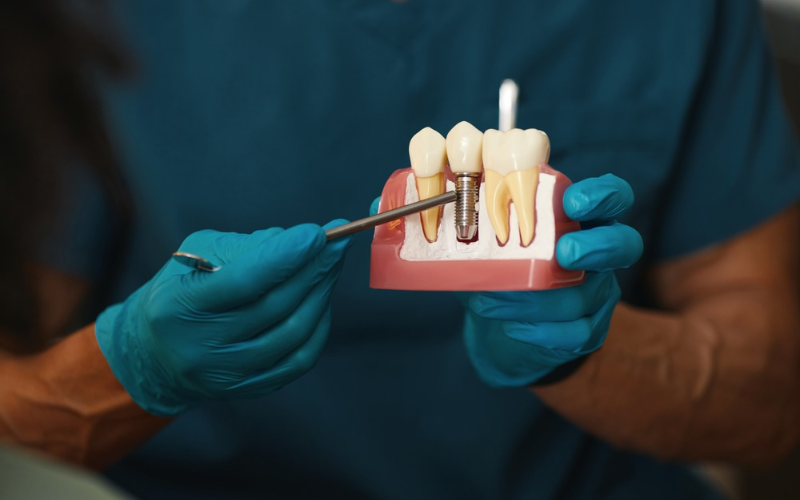
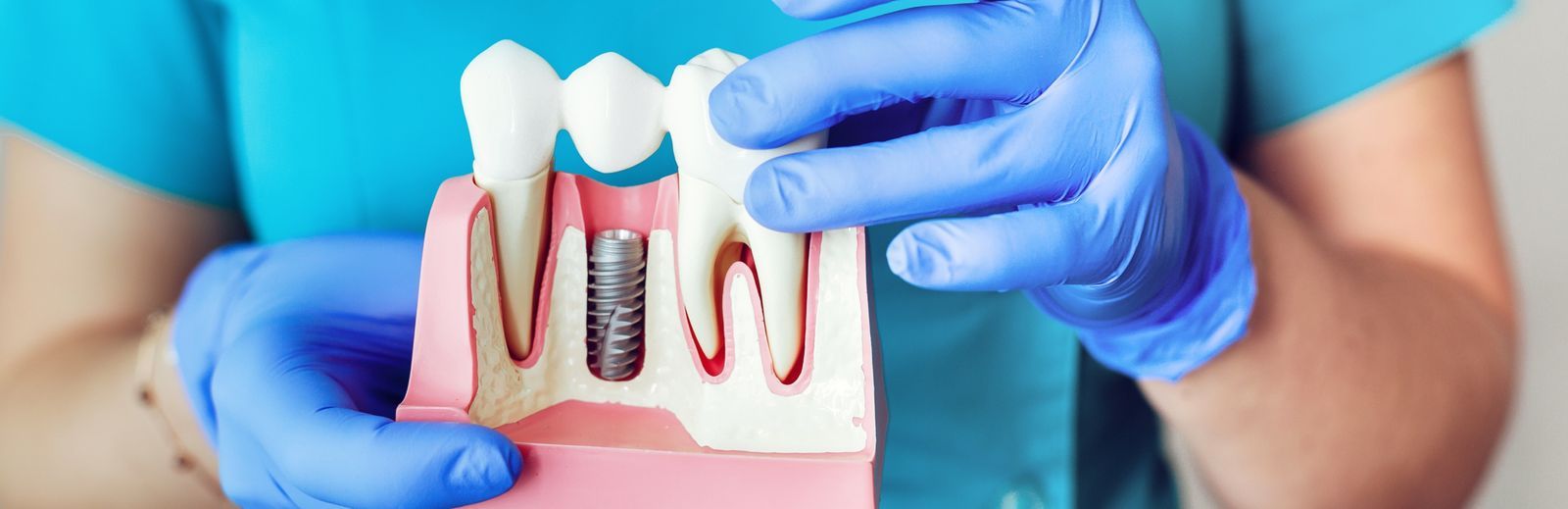
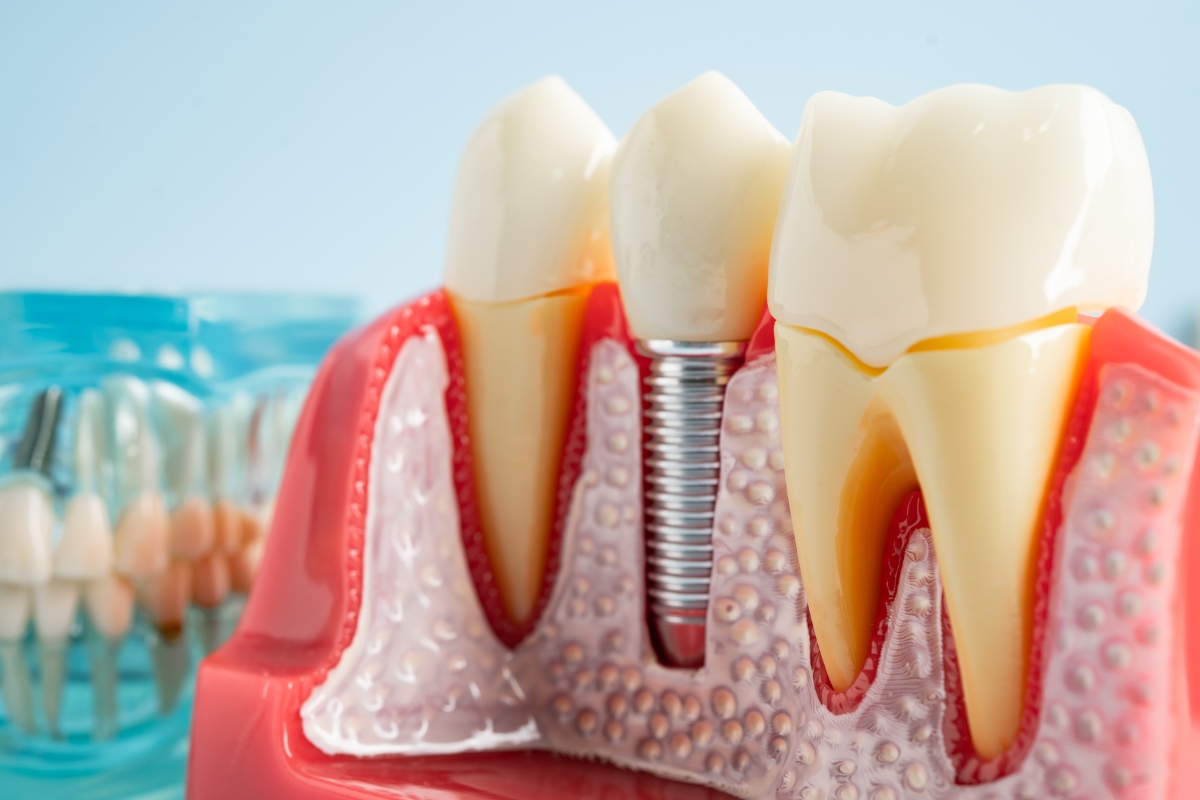
Dental implants are titanium posts that are inserted into the jawbone. They fuse with the bone (a process known as osseointegration) and form a stable root for a replacement tooth. They need a healthy, infection-free environment for this fusion to work and for the implant to last for years – even decades.
Active gum disease — particularly in its advanced stage, which is called periodontitis — is an unstable environment. It is an infection marked by inflammation, gum recession, and most importantly, progressive bone loss. Getting dental implants in Chicago in a diseased mouth is very risky. It has a higher chance of early implant failure from peri-implantitis (the type of gum disease around the implant itself).
Thus, your personalized treatment journey initiates with managing your current periodontal disease.
Setting the Stage: Your Pre-Implant Treatment Roadmap
Given your history of gum disease, your dental professional will want to focus on restoring your oral health stability first and foremost. It’s a non-negotiable and a major predictor of future implant success.
- Periodontal treatment: Typically initiated as a non-surgical deep cleaning, also known as scaling and root planing, dentists rid the patient’s teeth and gums of plaque and tartar buildup below the gum line. Minor gum surgery may be required in more severe cases to remove the deep pockets of infection, allowing the tissues to heal.
- Control Systemic Risk Factors: Uncontrolled diabetes and smoking history are risk factors for both gum disease and implant failure. Your doctor will talk with you about controlling these factors to maximize your healing potential.
- Bone Grafting: A serious side effect of advanced periodontitis is bone loss in the jaw. If the remaining bone is not wide or dense enough to hold the titanium post securely in place, a bone graft procedure may be required. This would add bone material so that the structure of support could be rebuilt. After it has healed (a process that takes several months), it will provide the strong base your implant requires.
Only when your gums are healthy, stable, and free of active infection, and only when your jawbone has sufficient volume, can your dental professional safely proceed with implant placement.
The Path Forward to a Restored Smile
For many Chicago patients, this stepwise, strategic approach is the key to tooth replacement success. It’s why it’s essential to choose a dental practice with expertise in both periodontics and advanced implantology. They will be equipped to execute each and every step of this complex process. Using a Cone Beam CT scan, they’ll carefully map out the precise placement of each implant, taking any bone loss into account.
Even with successful implant placement, strict oral hygiene and participation in a specialty supportive periodontal maintenance program are vital steps you can take to protect your investment and keep gum disease from returning. Dental implants in Chicago can provide a permanent, stable, beautiful solution, even for those with a complex oral health history.
Take the Next Step for Your Long-Term Oral Health
Don’t let a history of gum disease stop you from considering the best solution for missing teeth. The most important step you can take is to schedule a full consultation. Our experienced team will assess your specific case, the health of your gums and bone, and determine a treatment plan personalized for you—from a foundation of stability to a beautifully restored, permanent smile.
Contact City Edge Dental today for your implant consultation and learn your unique path to a stronger, healthier smile.
FAQs
1. If I have gum disease, can I still get dental implants?
If you have a history of gum disease, you can get dental implants, but you have to treat the condition first. Before placing an implant, your dentist will assess your oral health and may suggest procedures like scaling, root planing, or bone grafting.
2. Before receiving implants, how long does it take for gum disease to heal?
The degree of gum disease affects how long it takes to heal. Before getting dental implants, your gums and bone must usually heal for a few months.
3. If I had gum disease, would bone grafting still be possible?
If gum disease caused significant bone loss, bone grafting might be required. However, grafting might not be necessary if there is still enough bone.
4. Can someone with a history of gum disease get dental implants?
As long as gum disease is treated and your gums and jawbone are strong enough to support the implant, dental implants are safe for people with a history of the condition.
5. How can I preserve the health of my implants following gum disease treatment?
Long-term implant health depends on maintaining good oral hygiene, getting regular checkups, and abstaining from smoking and other bad habits.
6. How can I determine whether I’m a good candidate for dental implants after developing gum disease?
To determine the condition of your gums and jawbone, your dentist will conduct a comprehensive examination that may include X-rays and a 3D scan. Treatments such as bone grafting will be suggested if needed.
7. What risks come with having dental implants following gum disease?
The primary risk is implant failure, which can happen if bone grafting is unsuccessful or if gum disease is not completely treated. However, the success rate of implants is very high when they receive the right care and treatment.