Can Dr. Irene Gula Help Fix “Mask Breath” or Chronic Dry Mouth?

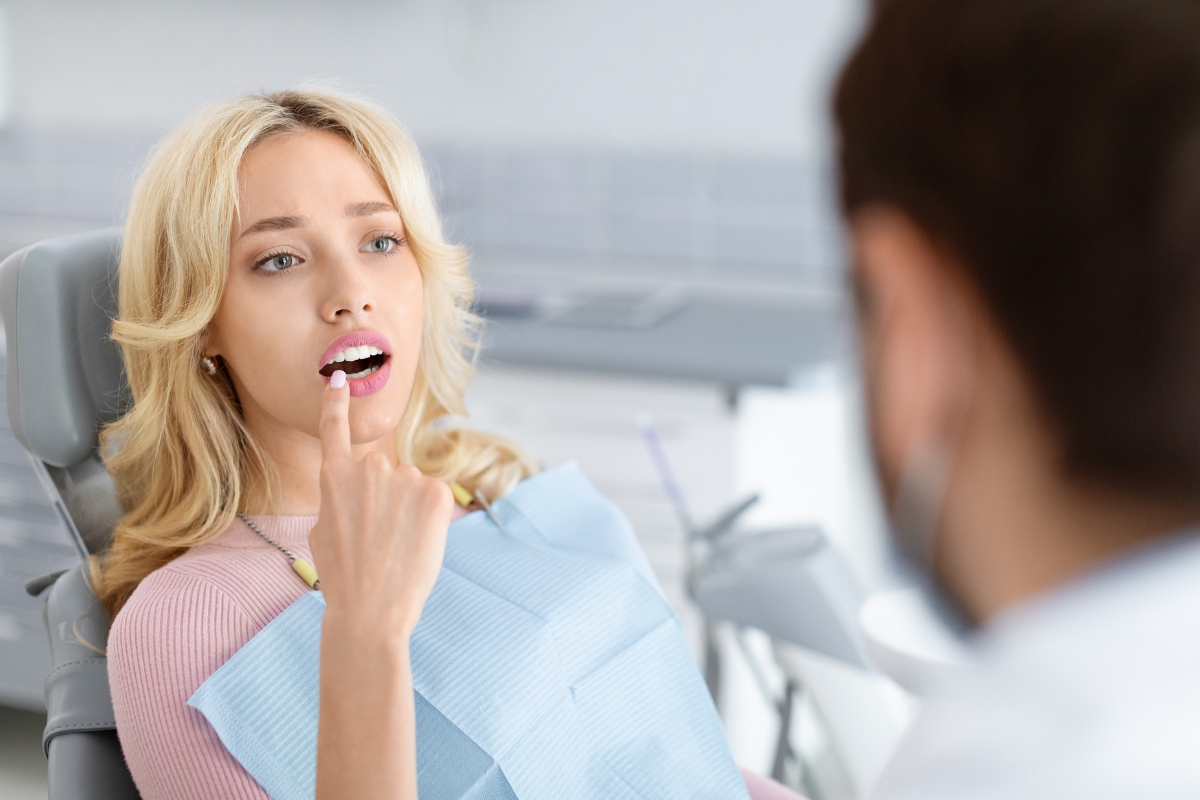
Are you struggling with persistent “mask breath” or chronic dry mouth? These issues have become common, especially during the pandemic, as face masks and mask-wearing became a routine part of our daily lives. If you’re constantly battling bad breath or uncomfortable dryness in your mouth, you’re not alone. Many people are facing these challenges daily.
Dr. Irene Gula, a trusted dentist at City Edge Dental, specializes in addressing these issues and can help you find relief. Whether you’re dealing with the discomfort of dry mouth or the social challenge of mask breath, Dr. Gula offers professional care and tailored solutions.
In this blog, we’ll dive into the causes of “mask breath” and chronic dry mouth and explore how Dr. Gula can provide effective treatment to restore your oral comfort.
Understanding “Mask Breath” and Chronic Dry Mouth
What is “Mask Breath”?
“Mask breath” refers to the unpleasant odor that can develop when wearing a mask for long periods. This condition arises because wearing a mask limits airflow, which can cause the mouth to dry out, promoting bacterial buildup. When this happens, the mouth’s natural cleansing process is hindered, leading to bad breath that often worsens throughout the day.
What is Chronic Dry Mouth (Xerostomia)?
Chronic dry mouth, also known as xerostomia, occurs when the mouth doesn’t produce enough saliva. This condition can be triggered by various factors, such as medication, dehydration, health conditions like diabetes, or as a side effect of aging. Dry mouth leads to discomfort, difficulty speaking or swallowing, and, unfortunately, bad breath. Over time, untreated chronic dry mouth can contribute to tooth decay and gum disease.
How Dr. Irene Gula Can Help
Professional Diagnosis
Dr. Irene Gula’s approach to diagnosing “mask breath” and chronic dry mouth begins with a thorough oral health evaluation. She carefully examines the health of your gums, teeth, and saliva production to understand the root cause of your symptoms.
Using advanced diagnostic tools, Dr. Gula looks for signs of dehydration, bacterial buildup, or any underlying medical conditions that could be contributing to your dry mouth. This comprehensive evaluation helps identify whether the issue is temporary or a sign of a more chronic condition, such as xerostomia.
Once the cause is determined, Dr. Gula is able to recommend the most effective treatment options tailored to your needs. This makes her a reliable dentist in Chicago.
Treatment Options
To address “mask breath” and chronic dry mouth, Dr. Gula offers several treatment options that focus on restoring comfort and improving oral health:
- Saliva-Stimulating Therapies: Professional treatments like oral hydration gels and saliva-stimulating agents help promote natural moisture and reduce dry mouth symptoms.
- Hydration Strategies: Dr. Gula emphasizes the importance of proper hydration and offers personalized advice on how to drink more water throughout the day, especially during mask-wearing.
- Prescription Treatments: If necessary, Dr. Gula may prescribe specific medications, such as saliva substitutes or antihistamines, to help combat severe dry mouth.
In addition to these treatments, Dr. Gula provides lifestyle and oral hygiene tips, such as avoiding dehydrating beverages (like caffeine and alcohol), and practicing good oral hygiene habits, regular brushing, flossing, and the use of fluoride toothpaste, to help maintain a healthy mouth and fresh breath.
Personalized Care
Dr. Gula’s treatments are never one-size-fits-all. She creates individualized care plans based on each patient’s specific needs and lifestyle. Whether the root cause of your dry mouth is related to mask-wearing, medication, or another factor, Dr. Gula ensures that her approach is personalized, ensuring the most effective treatment for lasting relief.
How Wearing Masks Can Impact Your Oral Health
Impact of Wearing Masks for Long Periods
Wearing masks for long periods, while necessary for safety, can have unintended effects on your oral health. Masks restrict airflow, which can lead to mouth-breathing, a common cause of dry mouth.
When you breathe through your mouth, the moisture in your mouth evaporates more quickly, leaving it dry and uncomfortable. This lack of saliva flow can cause a decrease in the mouth’s natural ability to wash away food particles and bacteria, which can contribute to bad breath.
If left untreated, mask-related dry mouth can also lead to more severe issues like gum disease. The lack of moisture creates an environment where plaque and bacteria can build up more easily, increasing the risk of tooth decay, inflammation, and even gingivitis.
Common Misconceptions
Many people believe that “mask breath” is simply a temporary nuisance and will go away on its own. However, if mask-wearing continues for long periods without proper oral care, the effects can worsen, leading to chronic dry mouth and other oral health problems. It’s important to understand that the discomfort caused by mask breath should be addressed early to prevent long-term complications.
Steps You Can Take to Prevent “Mask Breath” and Chronic Dry Mouth
Hydration
Staying hydrated is essential to preventing dry mouth. Drinking water throughout the day helps keep your mouth moist and promotes saliva production. Hydration is particularly important when wearing a mask for extended periods, as the mask can contribute to dehydration. Carrying a water bottle with you and sipping regularly is a simple but effective way to manage dry mouth.
Saliva-Stimulating Foods
Certain foods naturally stimulate saliva production, which can help combat dry mouth. Crunchy fruits and vegetables, such as apples, carrots, and celery, are great options. These foods help trigger saliva flow, not only aiding in digestion but also helping to rinse away food particles and bacteria in your mouth.
Breathing Techniques
If you are prone to dry mouth due to mouth-breathing while wearing a mask, try consciously breathing through your nose instead. Nasal breathing helps to maintain moisture in your mouth and prevents it from drying out. In addition to improving oral health, nasal breathing helps reduce the likelihood of bad breath.
Proper Oral Hygiene
Maintaining excellent oral hygiene is crucial, especially when wearing a mask for long periods. Brushing your teeth at least twice a day and flossing daily helps prevent the buildup of plaque, bacteria, and food particles that contribute to dry mouth and bad breath.
Using a fluoride toothpaste and mouthwash also promotes a clean, healthy mouth. Regular brushing after wearing a mask for extended hours ensures that you maintain fresh breath and a healthy mouth.
Why Choose Dr. Irene Gula for Your Oral Health Needs?
Experience and Expertise
Dr. Irene Gula has years of experience treating chronic dry mouth and other oral health conditions related to mask-wearing. With her in-depth knowledge of dental health, she is well-equipped to diagnose and treat the root causes of your symptoms. Dr. Gula stays updated with the latest dental techniques and treatment options, ensuring that her patients receive the best possible care.
Patient-Centered Care
Dr. Gula is known for her personalized and compassionate approach to patient care. She takes the time to understand each patient’s specific concerns and works with them to create a treatment plan that suits their needs. Whether dealing with mask breath or chronic dry mouth, Dr. Gula ensures that her patients feel heard, supported, and comfortable throughout the treatment process.
In summary, if you’re struggling with persistent “mask breath” or chronic dry mouth, Dr. Irene Gula at City Edge Dental is here to help. With her professional diagnosis and personalized treatment plans, you can find relief and restore your oral comfort. Don’t let dry mouth or bad breath hold you back. Schedule an appointment today with Dr. Gula to take the first step toward better oral health.
Are you ready to tackle your dry mouth or mask breath? Contact City Edge Dental to schedule an appointment with Dr. Irene Gula today!
People Also Ask
How does chronic dry mouth affect my oral health?
Chronic dry mouth can lead to tooth decay, gum disease, and bad breath because there isn’t enough saliva to wash away bacteria and food particles.
What are some at-home remedies for “mask breath”?
Drinking water regularly, chewing sugar-free gum, and using mouthwash designed for dry mouth can help alleviate “mask breath” until professional care is sought.
Can nasal breathing really help reduce dry mouth?
Yes, nasal breathing prevents your mouth from drying out, helping to maintain moisture and reduce the symptoms of dry mouth, especially while wearing a mask.
How often should I visit Dr. Irene Gula for dry mouth treatment?
It depends on the severity of your condition, but regular visits to Dr. Gula will help monitor your progress and ensure that the treatment is effective in managing your symptoms.
Are there foods I should avoid to prevent dry mouth?
Avoiding caffeine, alcohol, and sugary foods can help reduce the risk of dry mouth, as they can contribute to dehydration and exacerbate symptoms.