Invisalign vs. Braces: Which Straightens Teeth Faster for Adults

If you’re an adult in Chicago weighing Invisalign vs. braces, you’re not alone. Many adults want straighter teeth but aren’t sure which option fits their lifestyle. The question of which straightens teeth faster for adults in Chicago depends on several factors. This guide breaks down both options so you can make a confident, informed decision.
Invisalign vs. Braces in Chicago: How Each Treatment Works
Traditional metal braces use brackets and wires bonded directly to your teeth. Your orthodontist tightens the wires periodically to shift your teeth into alignment. Braces work continuously, 24 hours a day, because you can’t remove them.
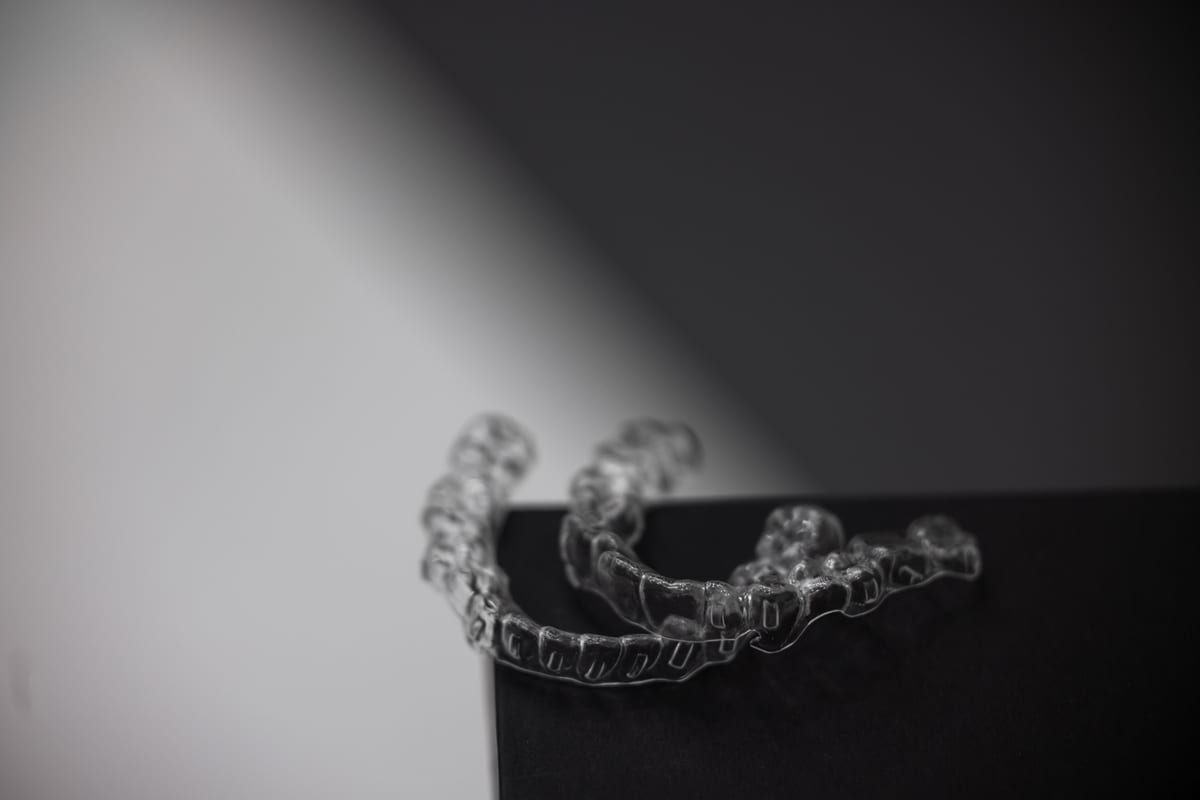
Invisalign uses a series of custom-made clear plastic aligners. You swap each set every one to two weeks as your teeth gradually shift. You remove the aligners to eat, drink, brush, and floss. This flexibility makes Invisalign especially appealing for busy Chicago adults.
Both systems apply consistent pressure to move teeth. The key difference is how they apply that pressure and how much control you have over the process.
Which Option Is Faster? Treatment Timelines Compared
Speed is one of the biggest concerns when comparing these two treatments. On average, traditional braces take 18 to 36 months for adults. Invisalign for adults typically ranges from 12 to 24 months.
However, Invisalign’s speed advantage only holds when patients wear aligners for 20 to 22 hours per day. Skipping wear time adds weeks or even months to your treatment. Braces, by contrast, work whether you think about them or not.
For mild to moderate alignment issues, Invisalign often delivers faster results. For complex cases involving significant crowding, bite issues, or jaw alignment, braces may move teeth more efficiently. Dr. Irene Gula at City Edge Dental evaluates each case individually to recommend the most effective path.
Comfort, Appearance, and Daily Life for Chicago Adults
Adults often prioritize discretion when choosing orthodontic treatment. Invisalign aligners are nearly invisible in daily settings. Metal braces are visible and can affect confidence in professional environments common across Chicago.
Comfort is another meaningful difference between the two options. Braces can cause irritation to cheeks and gums, especially after adjustments. Invisalign aligners are smooth plastic, which most patients find gentler on soft tissues.
Consider how each option affects your daily routine:
- Eating: Braces require avoiding hard, sticky, or crunchy foods. Invisalign lets you eat anything you like after removing your aligners.
- Oral hygiene: Braces make brushing and flossing more difficult. Invisalign aligners come out completely, so your routine stays normal.
- Social comfort: Clear aligners are far less noticeable in meetings, photos, and social settings.
- Appointments: Braces require more frequent in-office adjustments. Invisalign check-ins are typically less frequent.
For many Chicago adults balancing work, social life, and dental treatment, Invisalign offers a more convenient daily experience.
What Invisalign and Braces Each Treat Best
Not every case is suited to both options. Understanding treatment scope helps you set realistic expectations. Invisalign works well for crowding, spacing issues, overbites, underbites, and crossbites of mild to moderate severity.
Traditional braces handle a broader range of complexity. Severe crowding, significant jaw misalignment, and rotated teeth often respond better to braces. Braces give the dentist more precise mechanical control over tooth movement.
If you have a straightforward alignment issue, Invisalign is likely an excellent fit. If your case is more complex, braces may deliver better long-term results. A thorough consultation will clarify which route makes the most sense for your specific smile goals.
Orthodontic treatment is just one part of a complete smile transformation. Many patients also explore Cosmetic Dentistry Chicago services to address whitening, shape, and overall smile aesthetics alongside alignment.
Cost Considerations for Adults in Chicago
Cost is a practical factor for most adults considering orthodontic treatment. Traditional braces are generally less expensive upfront. Invisalign costs vary based on case complexity and treatment length.
The total investment for Invisalign in Chicago typically ranges from $3,000 to $8,000. Braces often fall in a similar or slightly lower range depending on your treatment needs. Financing and payment plans can make either option more manageable over time.
It’s worth noting that hidden costs can add up with braces. Broken brackets, food restrictions, and additional cleaning appointments are common expenses. Invisalign has its own considerations, including replacement aligners if a set is lost or damaged.
During a consultation at City Edge Dental, Dr. Gula will provide a clear picture of costs based on your specific case.
Key Benefits of Each Treatment at a Glance
Here is a quick side-by-side summary to help you compare both options before your consultation:
- Invisalign benefits: Nearly invisible, removable for eating and hygiene, fewer dietary restrictions, often faster for mild to moderate cases, comfortable smooth plastic material.
- Traditional braces benefits: No compliance required since they’re fixed, effective for complex cases, generally lower starting cost, highly precise for difficult tooth rotations.
- Invisalign drawbacks: Requires discipline to wear 20 to 22 hours daily, aligners can be lost or damaged, may not suit severe cases.
- Braces drawbacks: Visible metal in your mouth, dietary restrictions, more difficult oral hygiene, possible gum and cheek irritation.
Neither option is universally better. The right choice depends on your alignment needs, lifestyle, and commitment level.
Making Your Decision: What to Expect at Your Consultation
The best way to determine your ideal treatment is a professional evaluation. Dr. Irene Gula at City Edge Dental will examine your teeth, take digital scans or X-rays, and assess your bite. She’ll explain which treatment aligns with your clinical needs and personal goals.
Chicago adults often come in unsure whether they qualify for Invisalign. Many are surprised to learn they’re ideal candidates. Others benefit more from braces than they expected. An honest consultation removes the guesswork entirely.
If you experience any dental discomfort during your orthodontic treatment, City Edge Dental also offers Emergency Dentistry Chicago services to address urgent issues quickly and safely.
Taking the first step toward a straighter smile is easier than most people expect. Book Now to schedule your appointment with our team at City Edge Dental in Chicago.
Frequently Asked Questions
Does Invisalign really work faster than braces for adults?
For mild to moderate alignment issues, Invisalign often achieves results in 12 to 18 months. Braces typically take 18 to 36 months. However, speed depends heavily on case complexity and how consistently you wear your aligners. Patients who wear Invisalign as directed often finish ahead of schedule.
Can adults get Invisalign at any age?
Yes, Invisalign is suitable for adults of any age as long as their teeth and gums are healthy. There is no upper age limit for clear aligner therapy. Dr. Irene Gula regularly treats adult patients in their 30s, 40s, 50s, and beyond at City Edge Dental in Chicago.
Is Invisalign more painful than braces?
Most patients find Invisalign more comfortable than traditional braces. Aligners apply gradual, gentle pressure without metal brackets or wires irritating soft tissue. Some soreness occurs when switching to a new aligner set, but it usually fades within one to two days.
What happens if I don’t wear my Invisalign aligners enough?
Wearing aligners fewer than 20 to 22 hours per day slows your progress significantly. Your teeth may not move as planned, and your treatment timeline will extend. In some cases, additional aligners or a new treatment plan may be needed. Consistency is the most important factor in Invisalign success.
How do I know if I’m a candidate for Invisalign in Chicago?
The best way to find out is through a consultation with Dr. Irene Gula at City Edge Dental. She will evaluate your bite, tooth spacing, and alignment to determine whether Invisalign or braces is the better fit. Many adults who assume they need braces turn out to be excellent Invisalign candidates.