
Restore And
Protect Your Smile
Restore And
Protect Your Smile
Dental fillings are one of the most common restorative treatments in dentistry. When decay or damage creates a cavity in a tooth, a filling restores the tooth’s shape, function, and strength by removing the diseased portion and sealing the space with a durable dental material. Fillings help stop decay from spreading and prevent further pain or infection.
Dental fillings preserve your natural teeth and allow you to continue eating and speaking comfortably — often with just one visit to the dentist.
Signs You Might Need a Dental Filling
Be on the lookout for symptoms that could indicate tooth decay or damage:
- Sensitivity to hot, cold, or sweet foods and drinks
- Persistent toothache or discomfort
- Visible pits or dark spots on a tooth surface
- Pain when biting down or chewing
- A cracked or chipped tooth
If you notice any of these signs, an examination can determine whether a filling is right for you.
Common Causes of Tooth Decay
Tooth decay can develop when plaque-forming bacteria interact with sugars and acids from food and drinks. Without intervention, decay can break down enamel and dentin, eventually causing a cavity. Fillings are used to repair these cavities before they worsen.
Other reasons you might need a filling include:
- A fractured or worn tooth
- Minor structural damage from grinding or injury
- Replacement of old or failing fillings
The Dental Filling Procedure
Getting a tooth filled is typically a quick and straightforward process:
- Exam & Numbing: Your dentist examines the tooth and administers local anesthesia to ensure comfort.
- Decay Removal: Decayed or damaged tooth material is gently removed using dental instruments.
- Cleaning & Preparation: The cavity is cleaned and shaped to prepare for the filling.
- Placing the Filling: The chosen filling material (such as composite resin) is placed into the cavity and hardened.
- Finishing Touches: The filling is polished and adjusted so your bite feels natural and comfortable.
Modern filling materials — especially tooth-colored composites — blend seamlessly with your natural teeth for both function and aesthetics.
What Materials Are Used?
Dentists can use several types of filling materials based on your needs:
- Composite (tooth-colored) — blends with your natural tooth color
- Glass ionomer — often used for small cavities or children
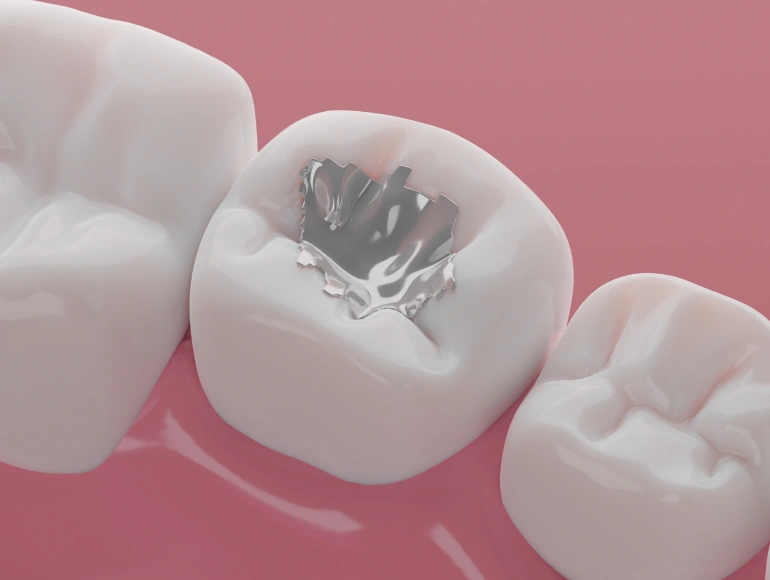
- Amalgam (silver) — durable option for back teeth
- Gold or porcelain — strong and long-lasting, though less common
Your dentist will help you choose the best option for your smile and lifestyle.
After Your Filling
After getting a filling, you may experience mild sensitivity, which typically fades shortly. It’s important to maintain good oral hygiene — brushing twice daily, flossing, and regular dental checkups — to prolong the life of your filling and protect your overall oral health.
If you notice any discomfort lasting beyond a few days or if a filling feels uneven or loose, contact your dentist.
Maintain a Healthy Smile
Our team is here to help you keep your smile strong and cavity-free. Whether you’re due for a checkup or experiencing discomfort, we offer comprehensive care tailored to your needs.