
Making Informed Decisions
About Tooth Extractions
Making Informed Decisions
About Tooth Extractions
Deciding to extract a tooth is a significant choice that should not be taken lightly. However, there are circumstances where removal can be the best option for maintaining your overall oral health. It's crucial to seek proper advice to make an informed decision regarding tooth extractions and wisdom teeth removal. Ignoring a damaged tooth can lead to serious complications, though exploring all options for saving the tooth is also important.
When Tooth Extraction Becomes Necessary
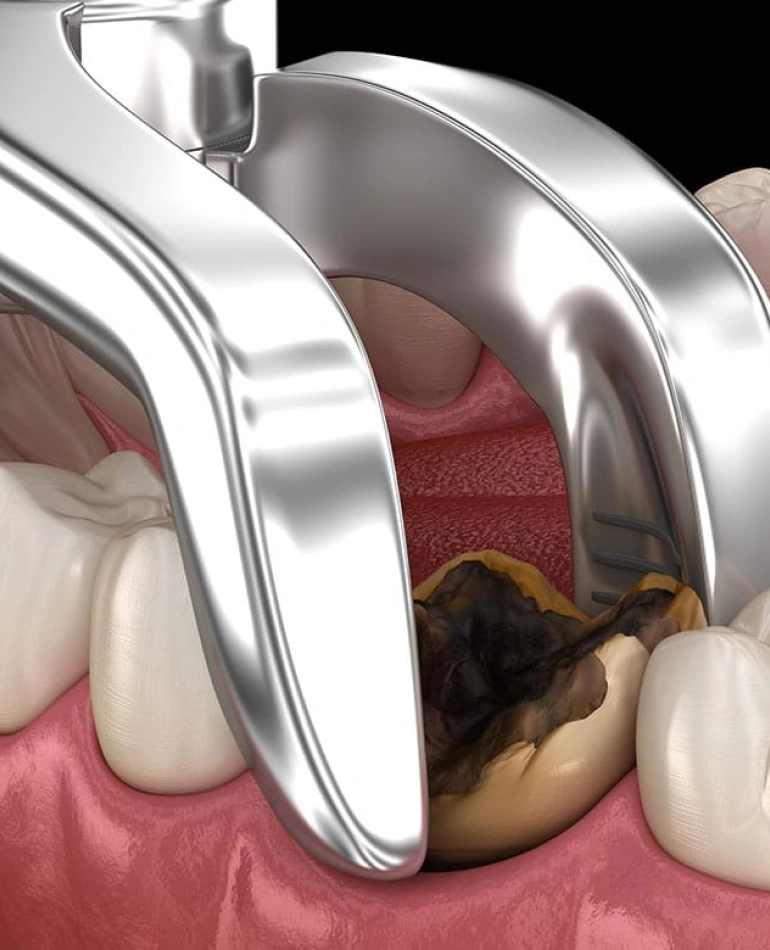
While natural teeth can frequently be preserved with prompt dental attention, there are situations where extraction may be the best course of action. If an infection or significant damage has affected the tooth's nerve, your options for treatment might be limited. In such cases, root canal therapy may provide a chance to save the tooth. However, if a tooth is so damaged that there isn’t enough structure left to support a crown, removal might be necessary to prevent further infection and to broaden your options for restorative procedures.
When to Consider Tooth Extraction
Tooth extraction may be the best course of action in the following situations:
- Periodontal Disease: Advanced gum disease can compromise the health of surrounding teeth.
- Severe Decay: If a tooth is extensively decayed and cannot be restored, extraction may be necessary.
- Irreparable Damage: A tooth that is badly broken beyond repair often needs to be removed.
- Root Canal Preparation: Sometimes a tooth must be extracted to prepare for a root canal treatment.
- Misalignment Issues: Poorly positioned teeth can disrupt overall dental health and may need removal.
- Impacted Wisdom Teeth: Wisdom teeth that are impacted or crowding other teeth often require extraction.
- Pre-Orthodontic Preparation: Extracting teeth may be necessary to create space before orthodontic treatment.
After a tooth extraction, it's crucial to replace the missing tooth to prevent future complications. Failure to do so can lead to shifting of the remaining teeth, resulting in various dental issues. A dental implant is often the best solution following an extraction.
What to Know About Tooth Extractions
Many people feel anxious about the thought of tooth extraction. Fortunately, advancements in dental procedures and technology have made the process easier and recovery faster than in the past. While you may experience some discomfort for a day or two post-extraction, the relief from tooth pain often makes it worthwhile.
Key Considerations for Recovery:
- Recovery Time: After extraction, it’s advisable to avoid food for at least three hours.
- Smoking: Refrain from smoking for at least 24 hours, as nicotine constricts blood vessels and can slow healing.
- Diet: Stick to cold drinks and soft foods on the first night to minimize discomfort.
- Oral Care: Wait two to three days before brushing around the extraction site to avoid irritation.
Monitoring for Infection:
With any open wound, there is a risk of infection. If bleeding continues beyond three days, it’s important to contact your dentist to evaluate the site for potential infection. If an infection is present, a week of antibiotics will typically suffice for recovery.