Porcelain vs. Composite Veneers in Chicago, IL

If you’ve been researching smile makeovers in Portage Park, you’ve likely come across two popular options: porcelain veneers and composite resin veneers. Both can dramatically improve your smile’s appearance. But when it comes to porcelain vs. composite veneers and which actually lasts longer in Portage Park, the answer depends on several important factors. Dr. Irene Gula at City Edge Dental helps patients understand exactly what each option offers before making a decision.
What Are Porcelain and Composite Veneers?
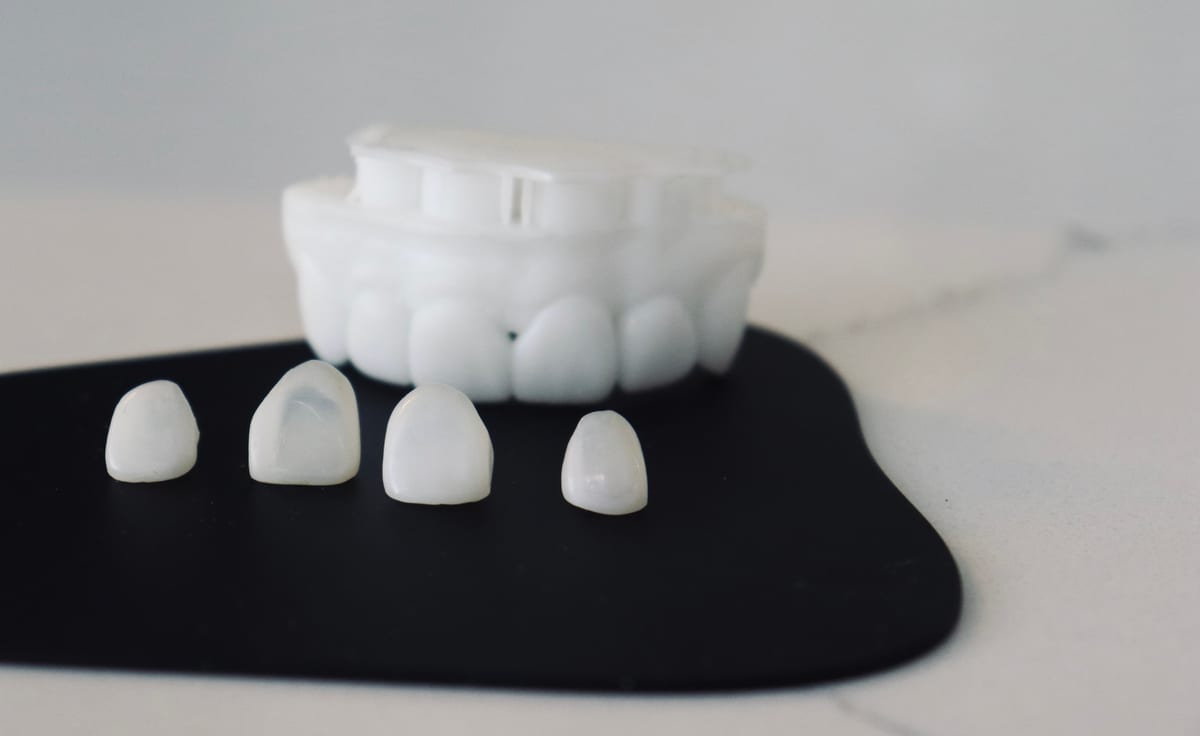
Veneers are thin shells bonded to the front surface of your teeth. They cover chips, stains, gaps, and minor alignment issues. Both types serve the same cosmetic purpose, but they differ significantly in material, longevity, and how they’re applied.
Porcelain veneers are custom-crafted in a dental laboratory. They require two or more visits to complete. A small amount of tooth enamel is removed to ensure a natural fit.
Composite resin veneers are sculpted directly onto your teeth in a single visit. The dentist applies tooth-colored resin layer by layer. This process requires little to no enamel removal in most cases.
Durability and Longevity: Porcelain vs. Composite Veneers in Portage Park
Durability is one of the biggest differences between these two options. Porcelain veneers typically last 10 to 20 years with proper care. Composite veneers generally last 5 to 7 years before showing wear or needing replacement.
Porcelain is highly resistant to staining. It mimics the light-reflecting properties of natural enamel beautifully. For patients in Portage Park who drink coffee, tea, or red wine regularly, porcelain holds its color far better over time.
Composite resin is more prone to chipping and staining. However, chips are much easier and less expensive to repair chairside. For younger patients or those still exploring options, this flexibility can be a real advantage.
- Porcelain veneers: 10–20 year lifespan on average
- Composite veneers: 5–7 year lifespan on average
- Porcelain resists stains from food and beverages
- Composite can chip more easily but repairs quickly
- Both options require good oral hygiene to maximize lifespan
Aesthetics: Which Veneer Looks More Natural?
Porcelain veneers are widely considered the gold standard for aesthetics. Their translucency closely resembles natural tooth enamel. The result looks seamlessly natural, even under bright lighting or photography.
Composite veneers have improved significantly over the years. A skilled dentist can achieve beautiful, natural-looking results with composite resin. However, they may appear slightly less lifelike compared to high-quality porcelain under close inspection.
For major cosmetic changes — such as correcting multiple teeth or dramatic color shifts — porcelain typically delivers more consistent, polished results. For minor corrections or budget-conscious patients, composite can still produce impressive transformations.
Procedure, Cost, and Repairability Compared
The process for each veneer type is quite different. Here’s a clear breakdown of what each procedure involves:
- Composite Veneers: Completed in one appointment. The dentist etches, bonds, and sculpts resin directly on your teeth. Polishing finishes the procedure the same day.
- Porcelain Veneers: Requires at least two visits. Your dentist preps the teeth, takes impressions, and places temporary veneers. Custom veneers are bonded permanently at the second visit.
Cost is another key consideration. Porcelain veneers cost more per tooth due to lab fabrication. Composite veneers are more affordable upfront, making them accessible for more patients.
Repairability gives composite a clear edge. If a composite veneer chips, your dentist can often fix it in the same visit. A chipped porcelain veneer usually requires a full replacement, which adds to the long-term cost.
- Composite: lower upfront cost, one-visit procedure
- Porcelain: higher cost, lab-made, two or more visits required
- Composite repairs: quick and chairside
- Porcelain repairs: typically require full replacement
Which Veneer Is Right for You in Portage Park?
The best choice depends on your smile goals, budget, and lifestyle. Patients wanting long-term, low-maintenance results often prefer porcelain. Those seeking affordability, flexibility, or a shorter commitment often choose composite.
At City Edge Dental, Dr. Irene Gula evaluates each patient’s unique dental health before recommending a veneer type. Overall oral health plays a critical role in treatment success. Patients dealing with gum disease or significant decay may need to address those issues first.
We also serve families across Chicago’s neighborhoods. If you’re interested in Pediatric Dentistry for younger family members, our team provides gentle, age-appropriate care. For patients missing teeth, Implant Dentistry may be a better foundation before considering cosmetic options like veneers.
Ultimately, both veneer types are valid, effective options. Talking with your dentist is the most important step in making the right choice for your smile and your life.
Conclusion: Making the Right Choice for Your Smile
When comparing porcelain vs. composite veneers and which actually lasts longer in Portage Park, porcelain wins on longevity and aesthetics. Composite wins on cost, convenience, and repairability. Neither option is universally better — the right choice is the one that fits your specific needs. Book Now to schedule your appointment with our team.
Frequently Asked Questions
How long do porcelain veneers last compared to composite?
Porcelain veneers typically last 10 to 20 years with proper care. Composite resin veneers usually last 5 to 7 years. Regular dental checkups and good oral hygiene extend the lifespan of both types.
Can composite veneers be repaired if they chip?
Yes — composite veneers are one of their biggest advantages in terms of repairability. A chipped composite veneer can often be repaired chairside in a single visit. Porcelain veneers, by contrast, typically need to be fully replaced when damaged.
Do veneers damage your natural teeth?
Porcelain veneers require removing a small amount of enamel, which is permanent. Composite veneers usually require little to no enamel removal. Dr. Gula discusses the specific preparation involved during your consultation so you fully understand the process.
Which veneer type looks more natural?
Porcelain veneers are generally considered more lifelike due to their translucency and light-reflecting properties. Composite veneers have improved greatly and can still look very natural. For dramatic transformations, many patients prefer the appearance of porcelain.
How do I know which veneer is right for me in Portage Park?
The best way to decide is through a professional consultation with Dr. Irene Gula at City Edge Dental. She evaluates your dental health, aesthetic goals, and budget to recommend the most suitable option. Every patient’s smile and situation is different, so personalized guidance is essential.