Your Knocked-Out Tooth: What Happens in the First 30 Minutes


A dental emergency can strike at any moment. Whether it happens on the Chicago Riverwalk, at a youth hockey game, or right in your own kitchen — a knocked-out tooth demands immediate action. Understanding what happens in the first 30 minutes Chicago residents face after losing a tooth can mean the difference between saving and losing it permanently. At City Edge Dental, Dr. Irene Gula and our team are here to guide you every step of the way.
Why the First 30 Minutes After a Knocked-Out Tooth Matter Most
When a tooth is knocked out, the clock starts immediately. The tissues and ligaments attached to the tooth root begin to die within minutes of air exposure. Dentists call this structure the periodontal ligament — and keeping it alive is the key to reimplantation success.
Studies show that teeth replanted within 30 minutes have significantly higher survival rates. After one hour, the chances of saving the tooth drop sharply. That urgency is real, and acting fast in Chicago traffic means planning your response before you even get in the car.
Knowing your nearest emergency dental provider ahead of time is smart preparation. City Edge Dental is centrally located to serve Chicago patients quickly when it counts most.
Step-by-Step: What to Do in the First 30 Minutes in Chicago
Every second matters after a tooth is knocked out. Follow these steps immediately and in order. Do not skip any step — each one protects your chances of saving the tooth.
- Pick up the tooth by the crown. Never touch the root. Hold it by the white part you normally see in your mouth.
- Rinse gently with milk or saline. If neither is available, use clean water. Do not scrub, dry, or wrap the tooth in tissue.
- Try to reinsert the tooth. Gently push it back into the socket if you can. Bite down softly on a clean cloth to hold it in place.
- Store it properly if reinsertion fails. Place the tooth in a cup of milk or between your cheek and gum. Never let it dry out.
- Call City Edge Dental immediately. Describe what happened and head to our Chicago office as fast as safely possible.
- Avoid ibuprofen if you’re bleeding heavily. It can thin blood. Use acetaminophen for pain instead.
Following these steps gives your tooth the best possible chance. Dr. Irene Gula is trained in dental trauma and will assess the situation the moment you arrive.
What Happens at the Dental Office After a Knocked-Out Tooth
When you arrive at City Edge Dental, our team moves quickly. Dr. Gula will examine the tooth socket and the tooth itself. She will take digital X-rays to check for bone damage or root fractures that aren’t visible to the eye.
If the tooth is viable, she will carefully clean and reinsert it into the socket. A splint may be placed to stabilize the tooth against the neighboring teeth. This holds it in position while the surrounding bone and tissue reattach over the following weeks.
A follow-up schedule is then set to monitor healing. Root canal treatment may be needed in the weeks after reimplantation. This is common and does not mean the tooth failed — it simply means the nerve was damaged during the trauma.
If the tooth cannot be saved, Dr. Gula will discuss Restorative Dentistry Chicago options to restore your smile fully. Tooth replacement is always possible, and modern dentistry offers excellent solutions.
When Reimplantation Isn’t Possible: Your Tooth Replacement Options
Sometimes a knocked-out tooth simply cannot be saved. The tooth may have been dry for too long, fractured at the root, or lost entirely at the scene. In these cases, replacing the missing tooth quickly is the priority.
Leaving a gap in your smile causes more than cosmetic concerns. Nearby teeth shift over time. Bone loss begins in the jaw beneath the missing tooth. Bite problems and jaw pain can develop within months.
Here are the most common tooth replacement options Dr. Gula recommends at City Edge Dental:
- Dental Implants: The gold standard for tooth replacement. A titanium post is placed in the jaw and topped with a lifelike crown.
- Dental Bridges: A fixed prosthetic that uses adjacent teeth as anchors to fill the gap.
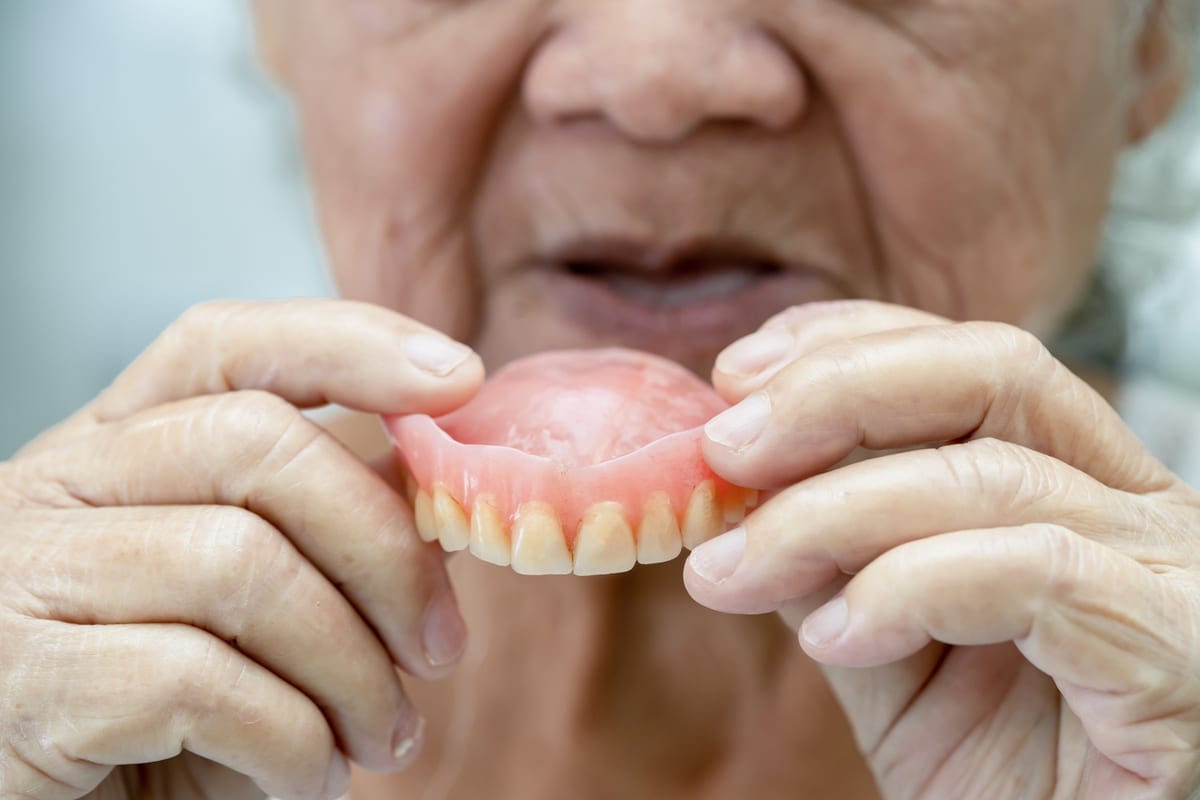
- Partial Dentures: A removable appliance that replaces one or more missing teeth.
If you are also concerned about the appearance of surrounding teeth after trauma, explore our Cosmetic Dentistry Chicago services. Dr. Gula can create a complete treatment plan that restores both function and aesthetics.
How to Prepare for a Dental Emergency in Chicago
Nobody expects to lose a tooth. But having a plan before an emergency happens puts you in control when stress is high. Here are a few things every Chicago resident should do now.
- Save City Edge Dental’s number in your phone as a contact labeled
Frequently Asked Questions
Can a knocked-out tooth be saved if I wait more than 30 minutes?
While the first 30 minutes are critical, a tooth can sometimes be saved even after this window closes. However, the success rate decreases significantly with time, as the cells on the tooth root begin to die. If your tooth is knocked out, contact your emergency dentist immediately regardless of how much time has passed.
Should I try to put the tooth back in the socket myself?
If you’re able to do so gently and without forcing it, reinserting the tooth yourself can improve the chances of successful reattachment. Handle the tooth only by the crown (white part), never touch the root, and rinse it gently with milk or saline solution first. If you’re unsure or uncomfortable, keep the tooth safe and let your dentist handle the reinsertion.
What’s the best way to store a knocked-out tooth before seeing the dentist?
The ideal storage medium is milk, as it preserves the root cells better than other common liquids. If milk isn’t available, you can use saline solution, your own saliva, or even tap water as a temporary solution. Never let the tooth dry out, and keep it in a container where it won’t get lost or damaged during transport to the dental office.
Is it normal for a reattached tooth to feel loose after treatment?
Some looseness is normal immediately after a knocked-out tooth is reattached, as the ligaments and bone need time to heal and stabilize. Your dentist may place a splint to keep the tooth immobile during the healing process, which typically takes several weeks. Follow your dentist’s instructions carefully and avoid chewing on that tooth until you receive clearance.
What happens if the tooth can’t be saved during emergency treatment?
If the tooth cannot be reattached or saved, your dentist will discuss replacement options such as dental implants, bridges, or partial dentures. They may also extract any remaining tooth fragments and address any damage to the surrounding teeth or gums. Your emergency visit is just the first step—follow-up consultations will help you plan the best long-term solution.