Dental Implants in Harwood Heights, IL

Many Harwood Heights residents don’t realize jawbone loss is already happening. The warning signs your jawbone is shrinking without implants in Harwood Heights can be subtle at first. But over time, the damage becomes harder to reverse. Understanding these signs early can protect your smile, your health, and your confidence.
At City Edge Dental, Dr. Irene Gula helps patients across the Chicago area understand bone loss and how to stop it. Tooth loss triggers a process called resorption — where the jawbone shrinks because it no longer receives stimulation from a tooth root. Without intervention, this process accelerates quietly beneath the surface.
Why Jawbone Loss Starts the Moment You Lose a Tooth
Your jawbone stays healthy because tooth roots stimulate it every time you chew. When a tooth is lost or extracted, that stimulation disappears immediately. The bone in that area begins to break down within weeks. Many patients don’t feel this happening — but the effects become visible over months and years.
After just one year without a tooth, up to 25% of bone width can be lost. After several years, the bone height shrinks significantly too. This is why timing matters so much when considering Implant Dentistry as a tooth replacement option. The sooner you act, the more bone structure remains to support an implant.
Bone loss doesn’t stop at the extraction site. It can spread and affect neighboring teeth over time. That’s what makes early action so important for Harwood Heights patients.
Warning Signs Your Jawbone is Shrinking Without Implants in Harwood Heights
Some signs are easy to dismiss as normal aging. But these changes often signal serious jawbone deterioration underneath. Knowing what to look for can help you seek treatment before options become limited.
Watch for these key warning signs:
- Shifting or drifting teeth — Neighboring teeth lean into the empty space left by a missing tooth.
- Changes in your bite — Your upper and lower teeth no longer meet comfortably when chewing.
- Facial sagging or a sunken appearance — The lower face collapses inward as bone volume decreases.
- Difficulty chewing certain foods — Hard or chewy foods become painful or impossible to manage.
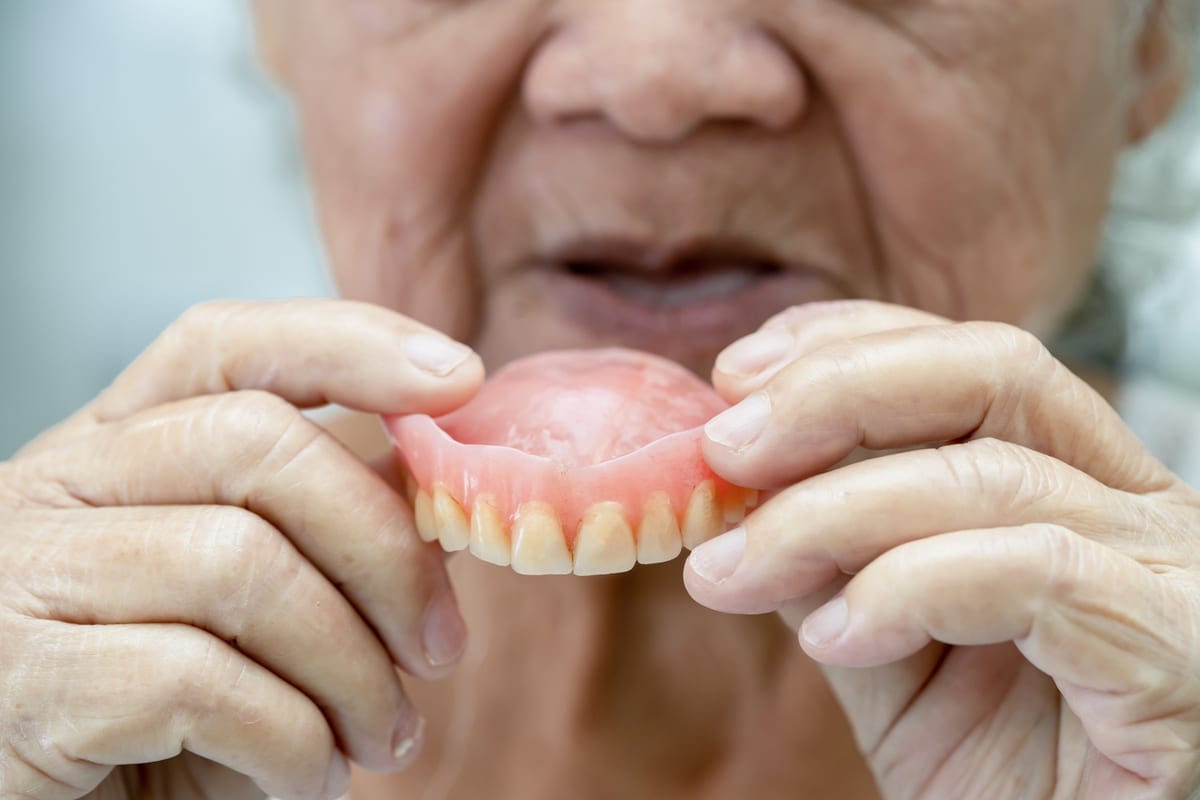
- Loose-fitting dentures — Existing dentures slip or feel unstable as the ridge shrinks beneath them.
- Gum recession near a gap — The gum tissue pulls back in areas without tooth roots beneath it.
- Jaw pain or tenderness — Bone changes can create discomfort in the jaw joint and surrounding muscles.
If you recognize any of these signs, it’s worth speaking to a dental professional right away. These symptoms don’t improve on their own — they worsen with time.
How Bone Loss Affects More Than Just Your Teeth
Jawbone shrinkage impacts far more than your ability to chew. It changes the entire structure of your face over time. Patients with significant bone loss often look older than their actual age. The lower third of the face loses support, causing lips and cheeks to sink inward.
Bone loss also affects speech clarity. As teeth shift and the jaw changes shape, sounds become harder to form correctly. Some patients develop a lisp or notice difficulty pronouncing certain words. These changes affect confidence in social and professional situations.
Beyond appearance, bone loss increases the risk of fractures in the jaw. A weakened jawbone is more vulnerable to injury from everyday activities. It also makes future dental procedures — including implant placement — more complex and costly.
Children in the household who see these changes in a parent may benefit from early dental education too. Families at City Edge Dental can also ask about Pediatric Dentistry services to protect their children’s developing smiles from similar problems later in life.
What Dental Implants Do to Stop Bone Loss
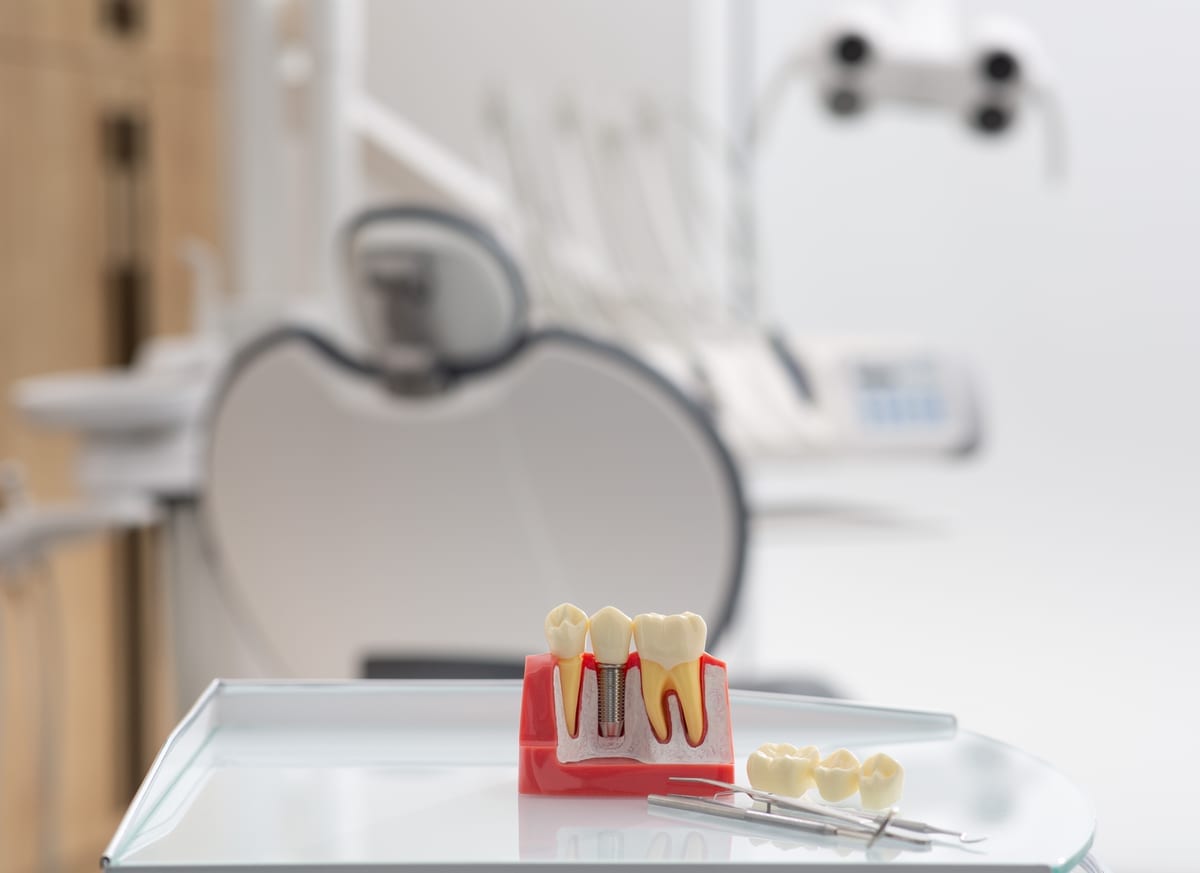
Dental implants work differently from dentures or bridges. They replace the entire tooth — including the root. The titanium post is surgically placed into the jawbone. Over time, the bone fuses with the implant in a process called osseointegration.
This fusion is what makes implants so effective against bone loss. The implant mimics a natural tooth root. It transmits chewing forces directly into the bone. This stimulation signals the body to maintain bone density in that area.
Here are the core benefits of dental implants for bone preservation:
- Prevent further bone resorption at the site of a missing tooth
- Maintain the natural shape and height of the jawbone
- Support surrounding teeth by filling the gap structurally
- Restore full chewing function without damaging adjacent teeth
- Provide a long-term solution that can last decades with proper care
- Preserve facial structure and a youthful appearance
No other tooth replacement option offers this level of bone preservation. Dentures and bridges sit on top of the gum — they don’t stimulate the bone below. Implants are the only solution that addresses the root cause of bone loss.
When Is It Too Late for Dental Implants?
This is one of the most common questions Dr. Irene Gula hears from Harwood Heights patients. The honest answer is: rarely too late, but often more complicated. When significant bone loss has already occurred, a bone graft may be needed before implant placement. This adds time and steps to the process.
Bone grafting rebuilds lost volume using natural or synthetic bone material. The graft heals over several months before implant surgery can begin. While this is a proven procedure, it’s more involved than a straightforward implant placement. Acting earlier means a simpler, faster path to restoring your smile.
Age alone is not a disqualifying factor. Adults of all ages can receive implants with proper evaluation. What matters most is the amount of bone remaining and your overall health. A thorough consultation with Dr. Gula will determine exactly what your jawbone needs.
Taking Action as a Harwood Heights Patient
Living near Chicago gives Harwood Heights residents access to excellent dental care. City Edge Dental serves patients from surrounding communities with comprehensive implant services. Dr. Irene Gula combines clinical expertise with a compassionate, patient-centered approach. You’ll receive clear explanations, honest recommendations, and a treatment plan tailored to your situation.
Don’t wait until shifting teeth or facial changes become unavoidable. The warning signs your jawbone is shrinking without implants in Harwood Heights are your body’s way of asking for help. Early intervention preserves more bone, simplifies treatment, and delivers better outcomes. Book Now to schedule your appointment with our team.
Frequently Asked Questions
How quickly does jawbone loss happen after tooth extraction?
Bone resorption begins within weeks of losing a tooth. Studies show that up to 25% of bone width can be lost in the first year alone. The process slows over time but never fully stops without stimulation from a tooth root or implant. This is why prompt action after tooth loss is strongly recommended.
Can I get a dental implant if I already have significant bone loss?
Yes, many patients with bone loss are still candidates for dental implants. A bone graft procedure can rebuild the lost volume before implant placement. Dr. Irene Gula evaluates each patient individually to determine the best approach. The key is getting a professional assessment as soon as possible.
Will I be able to tell if my jawbone is shrinking on my own?
Some signs are visible — like facial sagging, shifting teeth, or ill-fitting dentures. However, early bone loss often has no noticeable symptoms at all. A dental X-ray or 3D cone beam scan can detect bone changes that aren’t yet visible. Regular dental checkups are the most reliable way to catch bone loss early.
Do dentures prevent jawbone loss like implants do?
No, traditional dentures do not prevent bone loss. They rest on the gum surface and provide no stimulation to the underlying bone. Over time, the bone continues to shrink beneath them, which is why dentures become loose and uncomfortable. Only implants replicate the function of a natural tooth root and preserve bone density.
How long does the dental implant process take in Harwood Heights?
The timeline varies depending on your bone health and whether a graft is needed. A straightforward implant process typically takes three to six months from placement to final crown. Cases requiring bone grafting take longer due to the healing period. Dr. Gula will give you a clear timeline during your initial consultation at City Edge Dental.