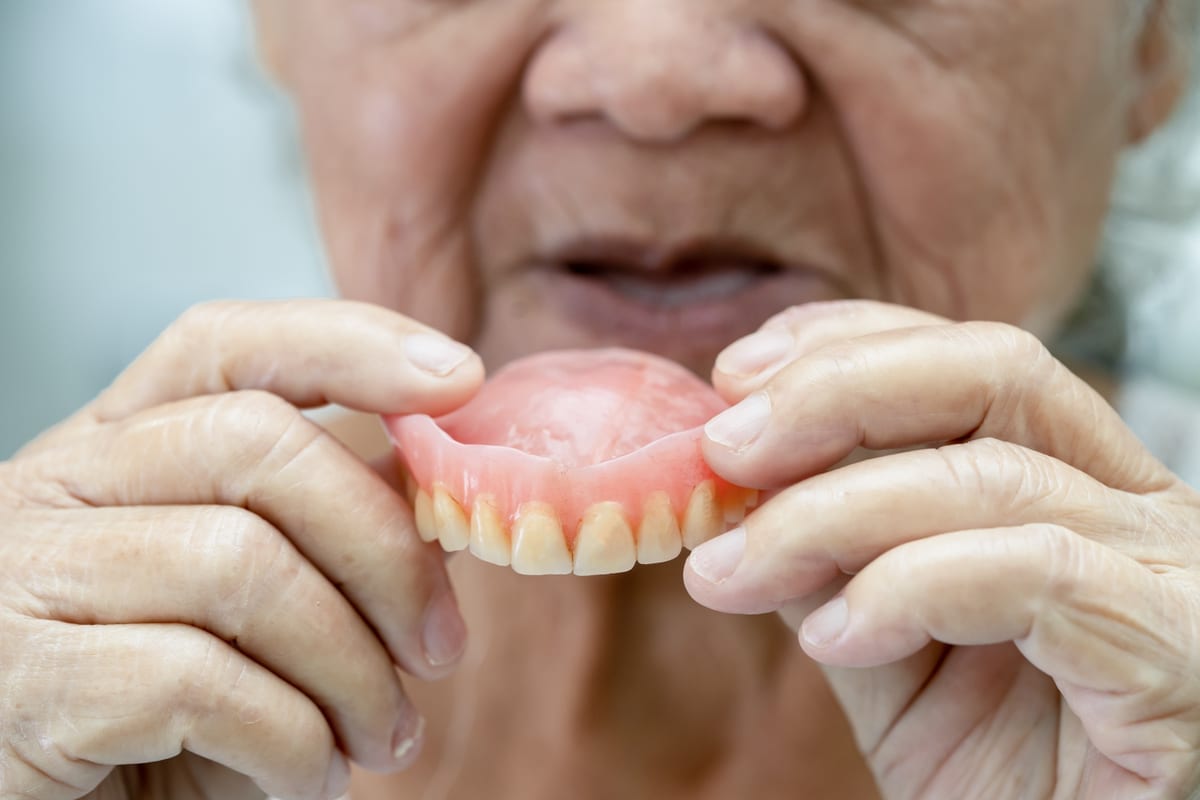
Are You a Candidate for Dental Bridges? Here’s What We Evaluate

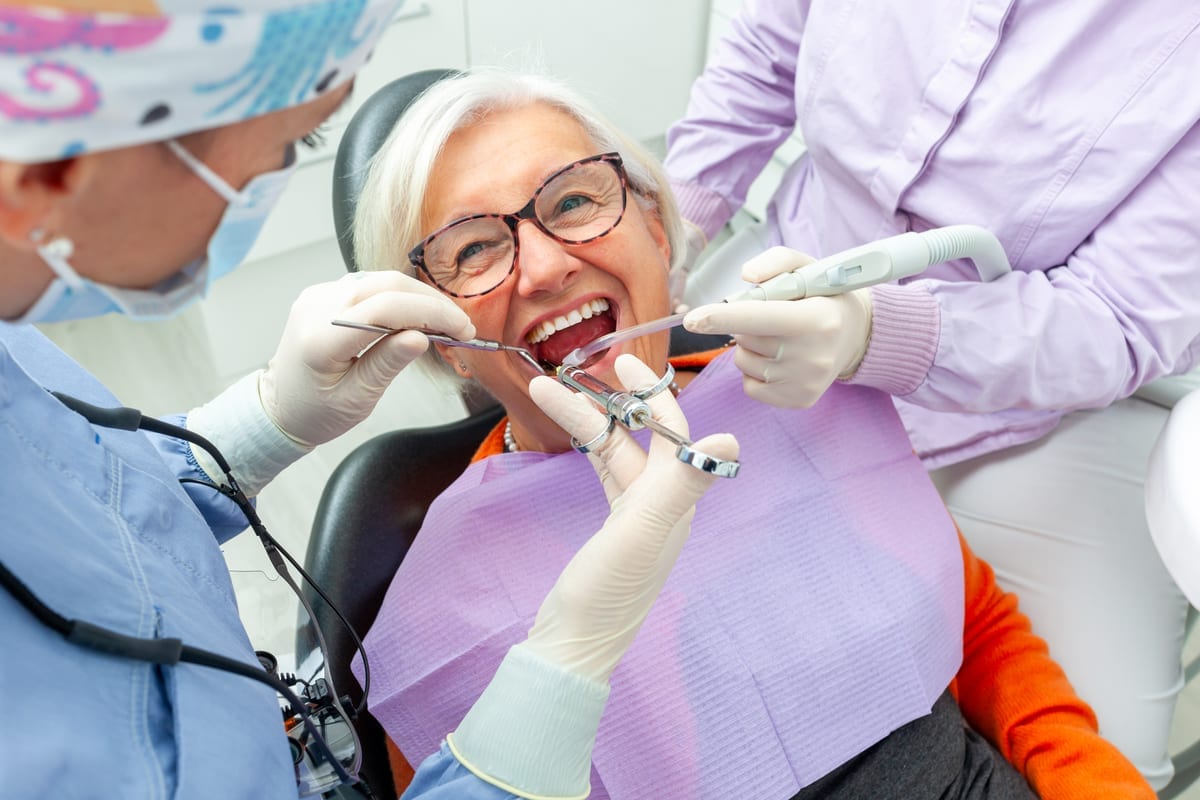
Are you a candidate for dental bridges? Here’s what we evaluate in Niles — and it involves more than just counting missing teeth. At City Edge Dental, Dr. Irene Gula takes a thorough, individualized approach to every bridge consultation. Understanding the evaluation process helps you walk in feeling informed and confident.
Dental bridges are a proven solution for replacing one or more missing teeth. They restore your bite, your smile, and your ability to chew comfortably. However, not everyone is an ideal candidate right away. Several key factors guide whether a bridge is the right fit for you.
What Is a Dental Bridge and Who Needs One?
A dental bridge literally ‘bridges’ the gap left by a missing tooth. It anchors to the healthy teeth on either side of the gap, called abutment teeth. A false tooth, called a pontic, fills the space in between. This creates a seamless, functional, and natural-looking result.
You may need a bridge if you have lost a tooth due to decay, injury, or infection. Missing teeth affect more than appearance — they shift surrounding teeth and strain your jaw. A bridge prevents those long-term complications. It also restores the confidence to smile and speak without hesitation.
Patients in Niles often seek bridges after a tooth extraction or after a tooth fails beyond saving. The earlier you replace a missing tooth, the better your outcome tends to be. Dr. Gula helps patients understand all their options before making any decision.
Are You a Candidate for Dental Bridges? Here’s What We Evaluate in Niles First
The evaluation at City Edge Dental covers several important areas. Each factor helps Dr. Gula determine whether a bridge is safe, effective, and durable for your specific situation. Skipping any part of this assessment could lead to a bridge that fails prematurely.
Here is what our team evaluates during your consultation:
- Abutment tooth health: The teeth next to the gap must be strong enough to support a bridge crown.
- Bone density: Adequate bone structure supports long-term stability and prevents shifting.
- Gum health: Active gum disease must be treated before placing any restoration.
- Bite alignment: Your bite pattern affects how the bridge distributes chewing pressure.
- Number of missing teeth: A standard bridge works best when replacing one to three consecutive teeth.
- Overall oral hygiene: Patients who maintain good habits have better long-term outcomes.
Dr. Gula uses digital X-rays and a full clinical exam during this evaluation. These tools give a clear picture of your bone levels, tooth roots, and surrounding tissue. Every detail matters when planning a restoration that needs to last for years.
Gum and Bone Health: Why These Matter Most
Healthy gums are non-negotiable before placing a dental bridge. If you have gum disease, bacteria can attack the abutment teeth and compromise the entire bridge. Dr. Gula will always address active gum issues before moving forward with restorative work.
Bone density is equally important. Tooth loss leads to gradual bone resorption over time. If too much bone has been lost, the abutment teeth may not provide stable enough anchoring. In these cases, Dr. Gula may discuss alternative options that better suit your anatomy.
Treating gum disease before a bridge is not a setback — it is the right foundation for lasting results. Many Niles patients complete a deep cleaning or periodontal therapy first. This preparation phase sets the entire restoration up for success.
When a Bridge May Not Be the Best Option
Some patients come in hoping for a bridge but discover another solution fits better. That is completely normal and is exactly why a thorough evaluation matters. Dr. Gula will always recommend what serves your long-term oral health — not just the most immediate fix.
A dental bridge may not be ideal in these situations:
- Multiple non-consecutive missing teeth across different areas of the mouth
- Severely weakened or decayed abutment teeth that cannot support crowns
- Significant bone loss that makes the surrounding teeth unstable
- Young patients whose jawbone is still developing
- Patients with uncontrolled gum disease or high cavity risk
In these cases, dental implants or partial dentures may be more appropriate. Implants do not rely on neighboring teeth for support. They also preserve bone in a way that bridges cannot. Dr. Gula will walk you through every option so you can make a fully informed choice.
It is also worth exploring Cosmetic Dentistry Niles services if your goals include full smile enhancement beyond tooth replacement. Bridges can be combined with whitening or veneers for a complete transformation. Our team creates personalized treatment plans that address both function and aesthetics.
What to Expect During the Bridge Placement Process
Once Dr. Gula confirms you are a good candidate, the process moves forward in clear, manageable steps. Knowing what lies ahead reduces anxiety and helps you plan your schedule accordingly.
Here is a general overview of the bridge placement timeline:
- Consultation and evaluation: X-rays, gum assessment, and bite analysis take place at your first visit.
- Tooth preparation: The abutment teeth are gently reshaped to accommodate the bridge crowns.
- Impressions and temporary bridge: A temporary bridge protects your teeth while the permanent one is crafted.
- Bridge fitting: Your custom bridge is placed, adjusted, and permanently cemented at a follow-up visit.
Most patients find the process straightforward and manageable. Local anesthesia keeps you comfortable throughout the preparation appointment. Dr. Gula and the City Edge Dental team work at a pace that keeps you informed at every stage.
If a dental emergency prompted your tooth loss, we also offer Emergency Dentistry Niles services to stabilize your situation quickly. Fast care after trauma often preserves more treatment options down the line. Do not wait to seek help after a dental injury.
How to Care for Your Bridge Long-Term
A well-maintained bridge can last 10 to 15 years or longer. Daily care plays a huge role in how long your restoration remains functional and comfortable. Dr. Gula provides detailed home care instructions tailored to bridge patients.
Flossing under the pontic requires a floss threader or a water flosser. Standard floss cannot reach beneath the false tooth without one of these tools. Skipping this step allows plaque to accumulate and threaten the abutment teeth. Consistent flossing protects the entire restoration.
Regular checkups at City Edge Dental allow Dr. Gula to monitor the bridge, your gums, and your bite over time. Small adjustments made early prevent bigger problems later. Niles patients who commit to routine care get the most years out of their bridges.
Conclusion: Take the Next Step Toward a Complete Smile
Understanding your candidacy is the first step toward replacing a missing tooth with confidence. Dr. Irene Gula evaluates every factor that affects whether a dental bridge will serve you well. From gum health to bone density to bite alignment, nothing gets overlooked. City Edge Dental is here to guide Niles patients through every part of this journey. Book Now to schedule your appointment with our team.
Frequently Asked Questions
How do I know if my abutment teeth are strong enough for a bridge?
Dr. Gula assesses abutment teeth using digital X-rays and a clinical exam during your consultation. She checks for decay, cracks, and root strength before recommending a bridge. If the teeth need reinforcement first, she will outline those steps clearly.
Can I get a bridge if I have gum disease?
Active gum disease must be treated before placing a dental bridge. Untreated gum disease weakens the teeth and bone that support the restoration. Once your gums are healthy, bridge placement can proceed safely and successfully.
How long does a dental bridge last?
A dental bridge typically lasts 10 to 15 years with proper care and regular checkups. Good oral hygiene, including flossing under the pontic, extends the life of the bridge significantly. Routine visits to City Edge Dental help catch any issues early.
Is a dental bridge painful to get?
The procedure is performed under local anesthesia, so discomfort during placement is minimal. Some sensitivity around the abutment teeth is normal for a few days afterward. Over-the-counter pain relievers usually manage any post-procedure soreness effectively.
What is the difference between a dental bridge and a dental implant?
A dental bridge relies on neighboring teeth for support and does not replace the tooth root. A dental implant is surgically placed into the jawbone and functions as an independent replacement. Dr. Gula evaluates both options during your consultation to recommend the best fit for your needs.